Dusk on the Cliffs: Sussex Seabirds and Wild Encounters
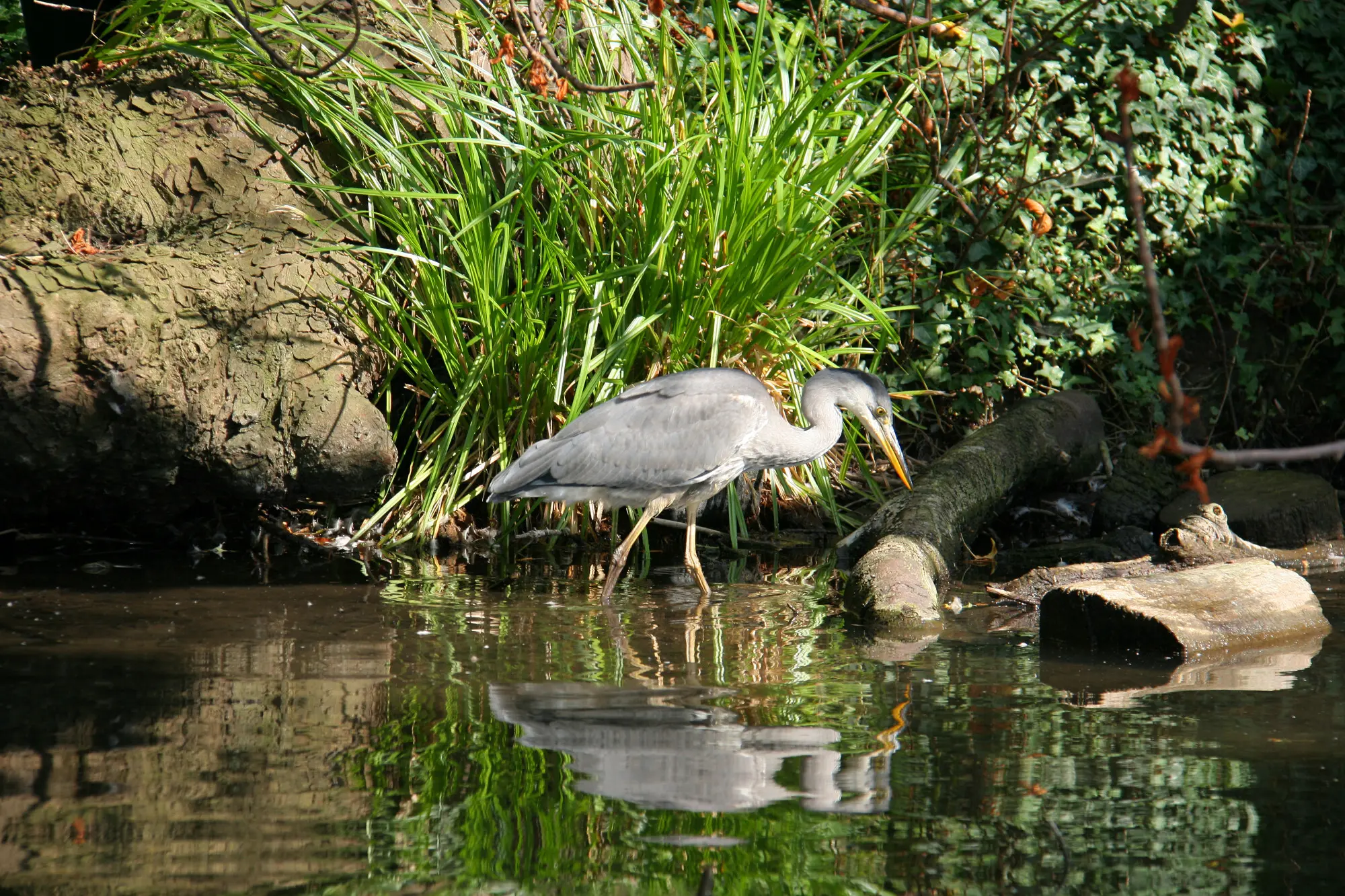
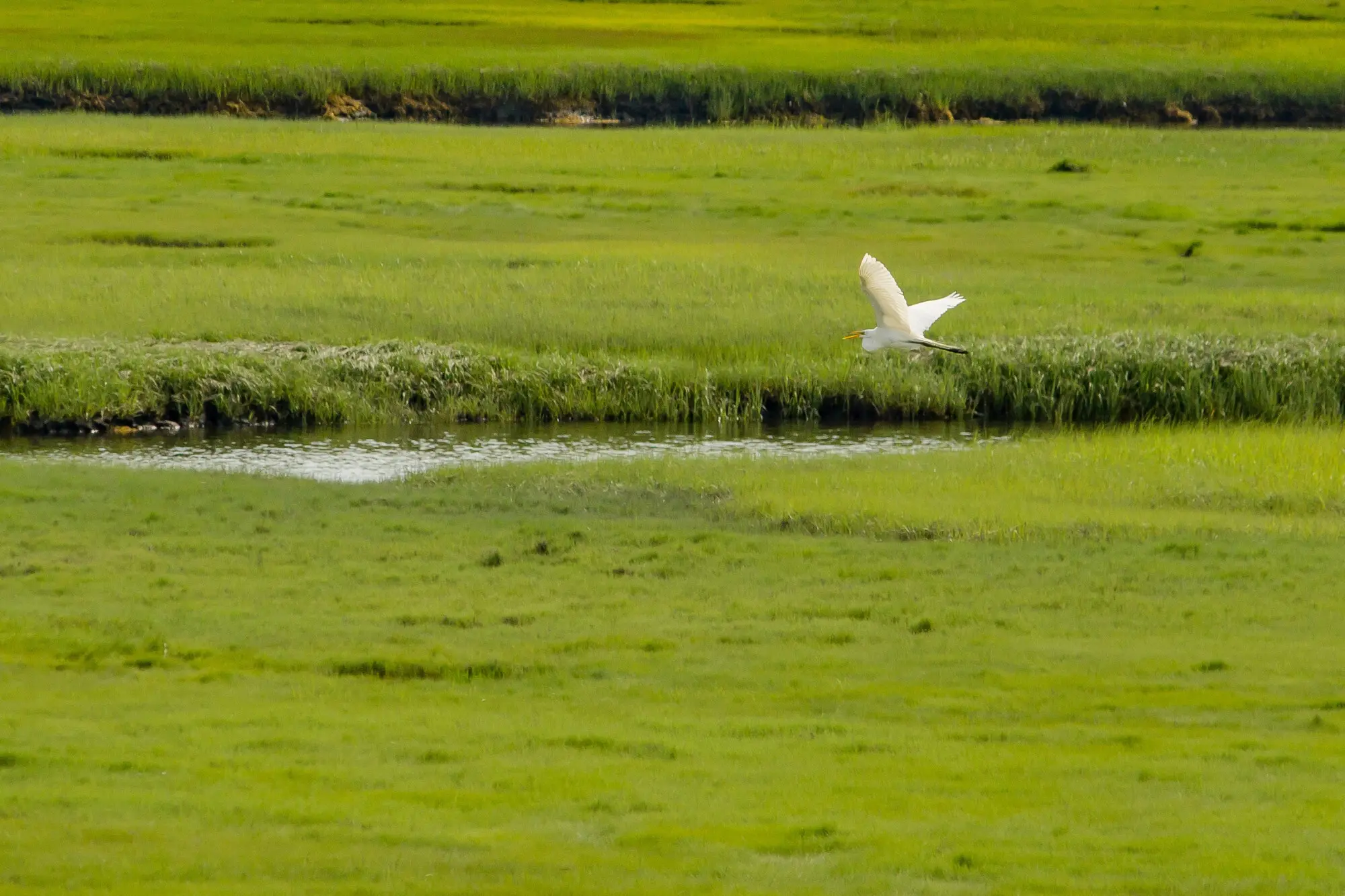
As daylight melts into the Channel and the chalk turns silver, we guide you through dusk wildlife and seabird watching on the Sussex cliff paths, blending careful safety advice, naturalist fieldcraft, and heartfelt stories that awaken attention to wind, tide, calls, and shadowed movement, while inviting you to share sightings, notes, and questions with a growing, caring coastal community.

Reading the cliffs

Study the chalk’s mood before committing to a viewpoint. After heavy rain or hard frost, overhangs loosen and hairline cracks multiply. Scan for fresh powder at the rim, listen for pebble trickles, and never step onto grass that cantilevers suspiciously. Ask nearby anglers or walkers what they noticed earlier; local eyes often catch subtle shifts faster than signage or apps updated after the ground has already moved.

Twilight kit list

Pack windproof layers, a hat, and gloves that still let you focus binoculars. A red-light headlamp preserves night vision and spares sensitive wildlife. Bring spare batteries, a whistle, small first-aid kit, and gaffer-taped torch. Offline maps save worries when reception fades. Slip in a notebook, pencil, snacks, and warm drink, because lingering for the last silhouettes often outlasts your original plan and rewards patience more than hurried steps homeward.

Tide and access brief

Even if you plan to stay on top, learn tide times and swell forecasts; rescue stories often start with simple curiosity leading people onto a narrowing beach. Waves rebound from chalk walls in surprising sets. Mark retreat routes before darkness, note gate locations, and identify alternative bus stops or parking pull-offs. Share your plan with someone at home so an overdue return triggers help, not speculation.

Seabirds at Sundown: Patterns in the Air

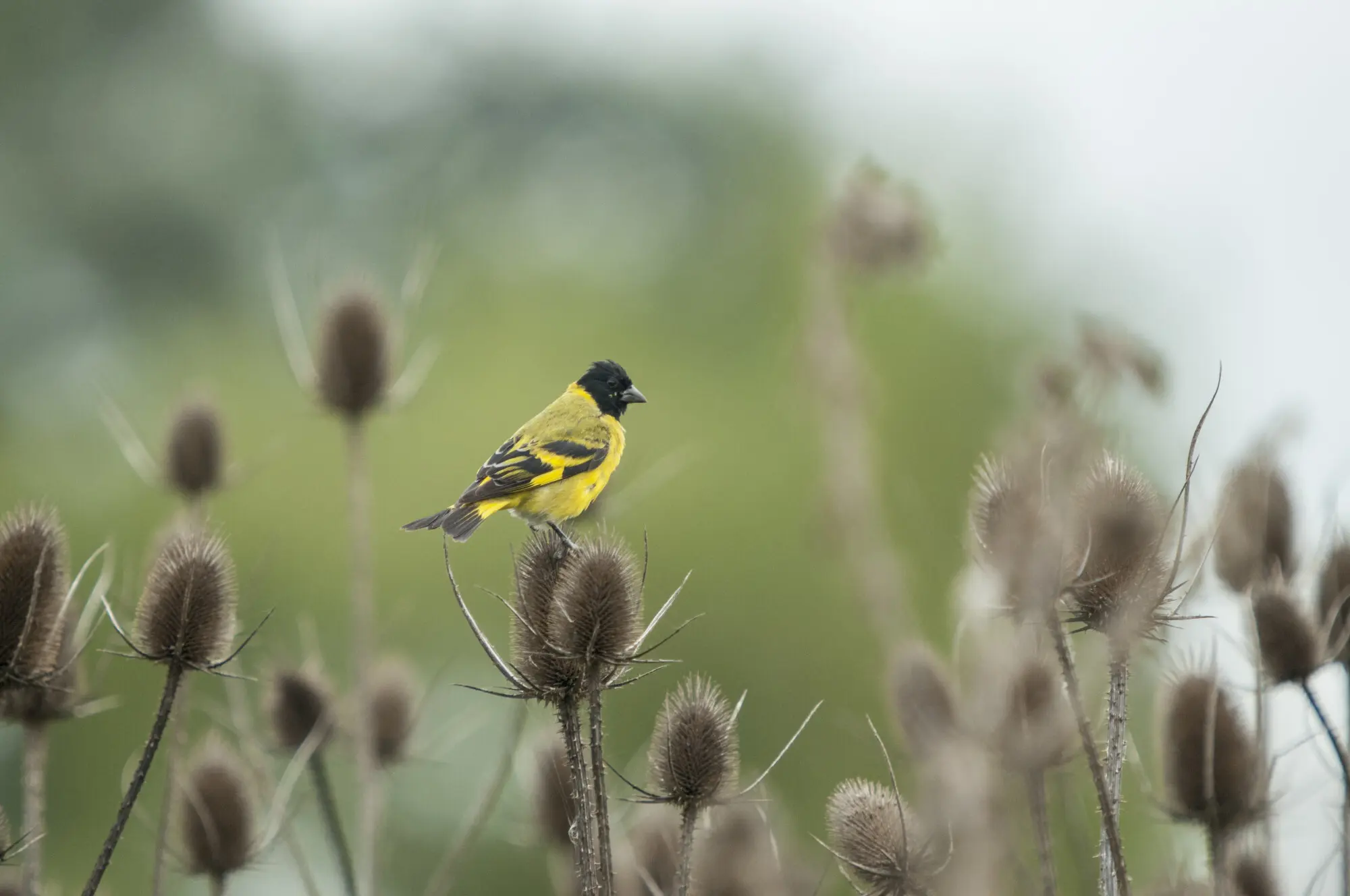
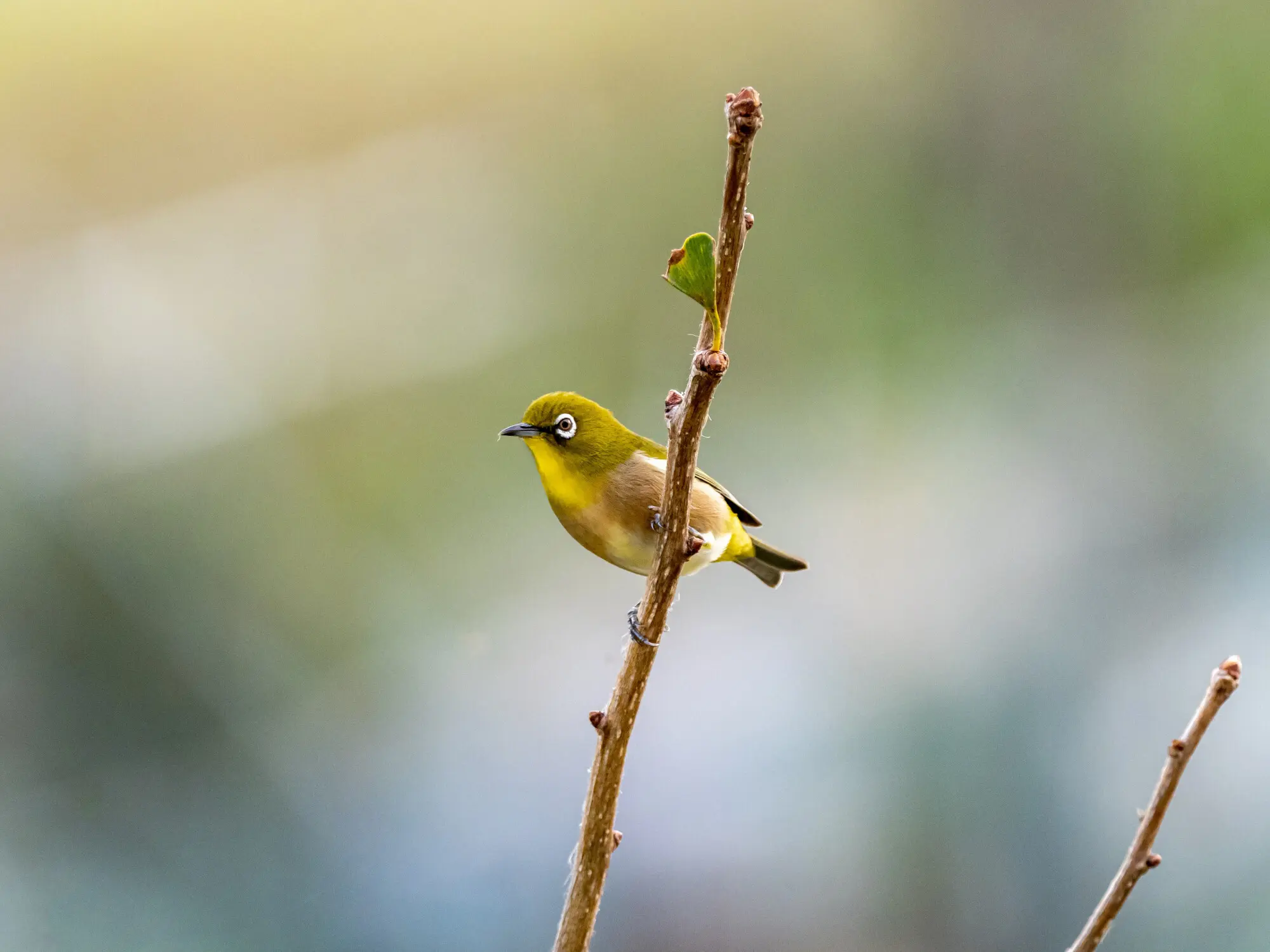
Evening wind squeezes along the escarpment, lifting wings on invisible rails. Rafts disperse, partners swap incubation duties, and ledges fill with squabbling diplomacy. Learn silhouettes, listen for contact calls, and watch where the updraft is strongest; that is often where action concentrates. Patience reveals routines that feel choreographed, yet remain wonderfully unpredictable, especially when a change in swell or a brief sunburst redraws every line against the deepening sea.

After the Birds: Mammals, Bats, and Quiet Footprints

Twilight opens another chapter beside the cliff grass. Foxes pad along trodden lines, rabbits blink from burrows, and bats stitch erratic patterns above hedges and meadows. Slow your pace, watch the ground for prints, and keep lights low; the quieter you are, the closer natural behavior unfolds. Let curiosity stretch time without chasing, feeding, or crowding, and you will witness small, unforgettable exchanges carried on salt air.

Fox paths and respectful space

Wind carries your presence long before you see a muzzle lift. Approach diagonally, avoid straight lines, and pause often so curiosity answers curiosity. Red eyeshine at distance is a gift, not a summons. Keep dogs leashed, pockets free of food, and leave scents where they are; stories written in grass belong to the night’s residents, not our tidy intentions.

Bats over meadow edges

Pipistrelles flicker along lee-side hedges, feasting where midges hover in sheltered air. If you use a detector or app, keep volume low and screens dim. Stand back from flight lines so routes remain open. In warmer spells they emerge sooner; in brisk winds they tuck closer to tree lines. Learning these rhythms sharpens patience and fills the fading light with purpose.

Moths, crickets, and small lanterns

Near gorse and bramble, moths rise like ash from a gentle fire, and bush-crickets stitch a soft background. If you are lucky, a glow-worm might lamp the path-side grasses. Let your lamp point down and briefly; these moments breathe longer without glare. Tread carefully, lift feet rather than scuffing, and admire without collecting, pocketing, or posting locations that invite heavy traffic.

Seaford Head terraces

Stroll the terraces facing Cuckmere Haven and the river mouth to scan mixed flocks spiraling over chalk cutbacks. Kittiwake colonies lend a musical guide-rope while terns and waders commute along the estuary curve. Choose a slightly elevated patch above the path, not the rim, to gain broad views, shelter from gusts, and space for tripods without blocking walkers enjoying their own quiet migration.

Birling Gap and the breathing sea

Easy access makes Birling Gap welcoming, yet it demands the same vigilance as wilder stretches. Use the platforms and steps without leaning over balustrades. From the clifftop, listen to waves inhale and exhale against chalk, then watch gulls map that rhythm. Evening light pools gently here, rewarding stillness, respectful distance from edges, and the patience to let the coast set the conversation’s pace.

Beachy Head’s long horizon

From the lighthouse to distant shipping lanes, Beachy Head opens an amphitheater of weather. Winds swing quickly here, shifting flight lines and carrying sound with cinematic clarity. Step well back from unfenced sections and use natural perches instead of edges. Track silhouettes crossing the lighthouse beam after dark, then take your time walking back, savoring stars, phosphorescent surf, and the reassuring rhythm of your own footsteps.

Blue Hour Imaging: Sound, Light, and Moving Wings

Settings that forgive the dusk

Start with a wider aperture, increase ISO without guilt, and accept slightly slower shutters that paint wingbeats like brushstrokes. Use exposure compensation when birds cross bright surf. Image stabilization and steady panning help, but so does embracing grain. Test focus on high-contrast edges of chalk. Review quietly, shield screens, then look up again before the next quiet miracle slips past.

Composing with cliffs and surf

Let serpentine chalk curves lead the eye, placing roosting ledges on thirds while surf patterns echo wingbeats below. Contrast white plumage against dark water or vice versa. Include people only as respectful scale, never as disturbance. Work sequences rather than single frames, noticing how reflections, spray, and cloud windows create conversations between foreground and far horizon during each unfolding moment.

Field audio and memory-keeping

A small recorder or phone captures atmosphere you will forget by morning: kittiwake choruses, stone-chatter under boots, and the way wind braids through dry thrift heads. Use a foam windscreen, keep levels conservative, and tag files with location and tide. Later, pair notes with maps and sky color memories, building a personal atlas that deepens every return visit.

Care for the Coast: Etiquette, Seasons, and Shared Records
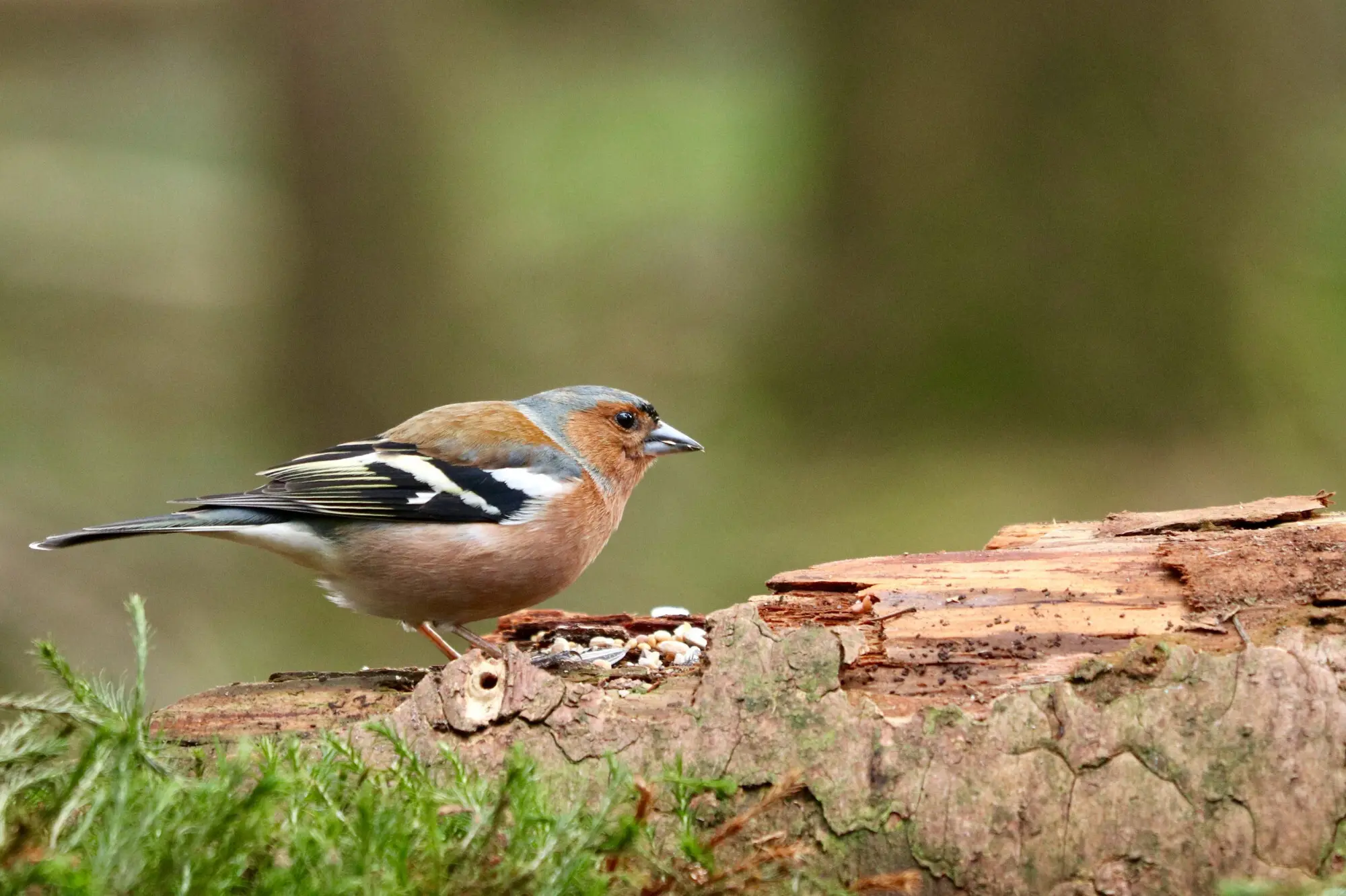
A caring approach sustains cliffs, birds, and communities. Spring through midsummer brings nesting; give ledges silence and distance, and avoid leaning over to peek. Keep dogs close. Carry litter out, skip drones, and leave shells, fossils, and flowers where they live. Share unusual sightings responsibly through eBird, iRecord, or Sussex groups, helping patterns emerge that protect habitats while inviting newcomers to learn, contribute, subscribe, and feel welcome.

Nests deserve space and quiet

Agitation is easy to read once you practice: wing-droops, alarm calls, repeated lift-offs, and adults pacing near chicks. Step back immediately, sit down if needed, and wait until calm returns before moving again. Skip playback, pass by cluster points swiftly, and favor optics over closeness. The best encounters feel mutual, not extracted, leaving both watcher and watched at ease.

Seasonal rhythms and wise timing

March through July brims with nesting intensity; treat cliffs as nurseries. Late summer softens into post-breeding dispersal, while autumn brings migrants riding weather fronts. On very windy evenings, choose lee edges or sheltered meanders. Bats prefer darkness without glare; dim red lights keep pathways navigable. Planning around tides, swell, and civil twilight consistently transforms an ordinary stroll into rare, attentive presence.

Community notes and open invitations

Say hello on the path, swap tide intel, and invite neighbors to share a bench respectfully spaced. Post field lists with careful locations, welcome beginners with patient answers, and credit tips that improved your evening. Subscribe here for future dusk walks, local updates, and shared maps. Your photos, sketches, and stories enrich this coastline, building stewardship as strong as any fence.
Livokirazavolentovexozentodexo
Privacy Overview

This website uses cookies so that we can provide you with the best user experience possible. Cookie information is stored in your browser and performs functions such as recognising you when you return to our website and helping our team to understand which sections of the website you find most interesting and useful.